I’ve been doing this for twelve years. I remember my first solo elk hunt in the high country of Colorado—I spent three days barely sipping water because the wind chill was biting and my gear felt like a fortress against the elements. I thought I was fine. I wasn't. By day four, when a respectable 6x6 stepped into a clearing, my legs were heavy, my focus was jittery, and my decision-making was sluggish. I missed. I learned the hard way that when the temperature drops, your internal thirst mechanism—the one that usually tells you to drink—essentially goes on strike.
As a former wildland EMT, I’ve seen what happens when the body is treated like a machine that doesn't need coolant. We focus so much on the hunt—the scouting, the glassing, the stalk—that we treat our physiology like an afterthought. If you aren’t hydrating because you "don't feel thirsty," you are actively sabotaging your performance and your recovery. Let’s talk about why hydration is so often underestimated and how you can actually optimize your output for those brutal, cold-weather grinds.
The Cold Weather Dehydration Trap
When you’re out in the backcountry, especially at altitude, the air is dry. You’re losing fluid every time you exhale, even if you aren't sweating through your layers. In the cold, your body undergoes something called cold-induced diuresis. Your blood vessels constrict to keep your core warm, which pushes fluid toward your kidneys. Your brain misinterprets this spike in blood pressure as "excess fluid," so it signals you to pee more. You lose volume, your blood thickens, and your heart has to work harder just to move oxygen to your muscles.
Research published in The Permanente Journal has highlighted how physiological stress during endurance activities is exacerbated by environmental factors. When you ignore that, you aren't just uncomfortable; you’re inefficient. Your muscles begin to cramp, and your cognitive function—the stuff that helps you track a blood trail or judge an animal's size—takes a nosedive.
The 3:30 AM Reality Check
My alarm goes off at 3:30 AM. Every single day of the season. It’s dark, the tent is freezing, and the last thing I want to do is drink a liter of water before I even get my boots on. But I do it. If I don't, I’m starting the day in a deficit that I won't recover from for the next 14 hours. By 4:00 AM, when I’m boiling water for coffee, I’m also prepping my first set of electrolyte packets.

If you think plain water is enough, you’re missing the point. In the cold, you need to manage your electrolyte balance to prevent muscle fatigue and keep your cells hydrated. I get annoyed when guys skip their electrolytes because they think, "It’s cold, I’m not sweating." That’s gym-bro science that ignores the reality of hunting constraints. You are burning thousands of calories carrying a pack through timber. You are losing salts. Replace them.
Hydration Strategy Table for Cold-Weather Hunts
Time of Day Action Purpose 3:30 AM - 4:00 AM 16oz water + Electrolyte Packet Pre-load hydration before the climb. Mid-day (On the move) Sips every 20 minutes Maintain blood volume and cognitive focus. Post-Hunt / Camp 16oz water + Recovery Shake Jumpstart the recovery process in minutes, not hours.Recovery: The Foundation of Success
Recovery isn't just about sitting in a chair once the sun goes down. Recovery is a 24-hour cycle. If you aren't managing inflammation, you aren't performing tomorrow. I’ve read articles in the North American Bow Hunter that discuss the "grit" of the hunt, and while grit is essential, it’s a finite resource if your body is inflamed and your sleep is trash.
Sleep is the foundation. If you’re waking up every two hours because your muscles are aching or your mind is still running through the stalk you missed, you’re losing the battle. I keep my supplements on my nightstand. If it’s not there, I forget it—and I need those supplements to be part of the routine.
One of my favorite tools for winding down is Joy Organics organic CBD gummies. They help me quiet the noise. After a day of hiking twelve miles with a 60-pound pack, the "hunter's adrenaline" makes it nearly impossible to switch off. Using Joy Organics CBD gummies isn't about getting "high"—it’s about calming the nervous system so I can actually drop into deep sleep. When I wake up at 3:30 AM, I want to feel like I’ve recovered. I measure recovery in minutes of REM sleep, not hours of lying in a sleeping bag staring at the ceiling.
Inflammation Management: Why It Matters
Marketing fluff promises instant results—"take this pill and hike like a mountain goat." Ignore that. The real work is in consistent inflammation management. If you’re constantly inflamed, your joints will lock up. Your tendonitis will flare. I nabowhunter.com treat my body with respect by managing my diet and hydration in the field, and using my evening routine to prep for the next morning. It’s not about being a pro athlete; it’s about being a capable hunter who can make the shot when the moment counts.
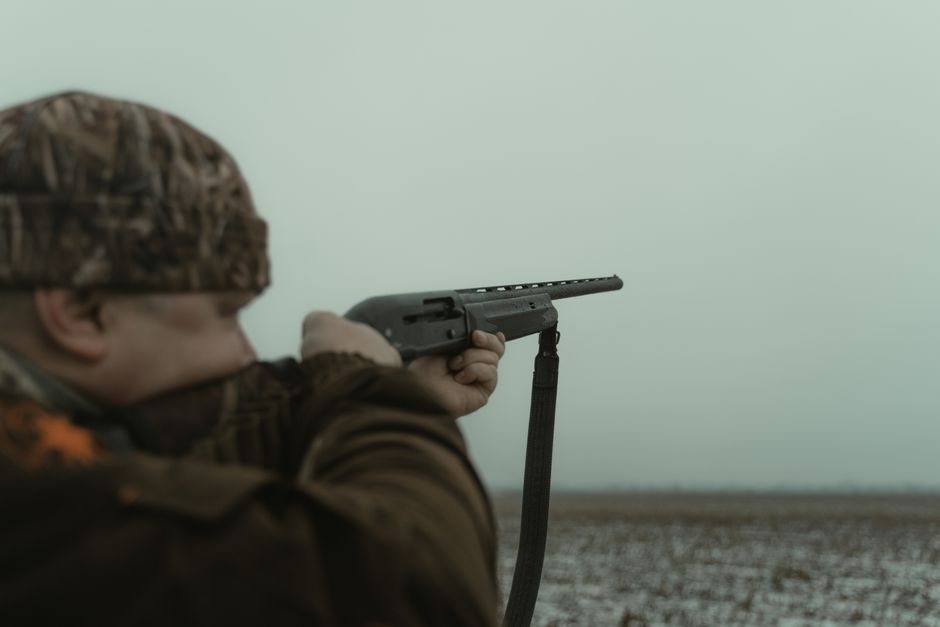
Three Golden Rules for the Cold-Weather Hunter
Hydrate by the clock, not by thirst: Thirst is a lagging indicator. By the time you feel it, you’re already dehydrated. Drink on a schedule. Electrolytes are non-negotiable: Even in sub-zero temps, your body requires mineral replacement. Use high-quality electrolyte packets. Close the loop on recovery: Use tools that aid in sleep and inflammation management, like Joy Organics organic CBD gummies, to ensure your body recovers in the limited time you have overnight.Final Thoughts: Don't Be the Guy Who Fails Because of Physiology
I’ve helped enough friends prep for elk and whitetail seasons to know who succeeds and who burns out. The guys who succeed are the ones who respect the process. They don’t ignore the cold; they plan for it. They treat their water intake like a tactical operation, and they manage their recovery with the same seriousness they apply to zeroing their bows.
Want to know something interesting? stop over-complicating it with gym-bro technical talk. Just do the basics: Keep your electrolytes topped up, force the water even when you don't feel like it, and give your nervous system the support it needs to recover at night. You’ve put in the hours of scouting and the hundreds of arrows shot in the backyard. Don't let a headache or muscle fatigue ruin the moment when the bull finally bugles. Your performance is only as good as your recovery, and it’s time you started acting like it.