Think about it: i spent nine years in the trenches of college and pro sports performance. I’ve seen the transition from "rub some dirt on it" to "let’s look at your HRV trends." If you think athletes are suddenly more open about mental wellness sports initiatives because of a sudden cultural epiphany, you’re missing the point. Here's a story that illustrates this perfectly: learned this lesson the hard way.. It isn’t about being "soft." It’s about being smart.
When you’re staring down a 17-game season, a flight to the West Coast that ruins your circadian rhythm, and a contract negotiation looming over your head, your "mental game" is just as much a physiological asset as your squat max. The reason this conversation has shifted isn't because of marketing brochures; it’s because the technology we’ve put on athletes' wrists has made it impossible to ignore the physical cost of mental stress.
The Wearable Reality Check
Ten years ago, a player could tell a coach they were "ready to go" while they were running on three hours of sleep and massive anxiety. The coach took their word for it. Today? The data doesn't lie.
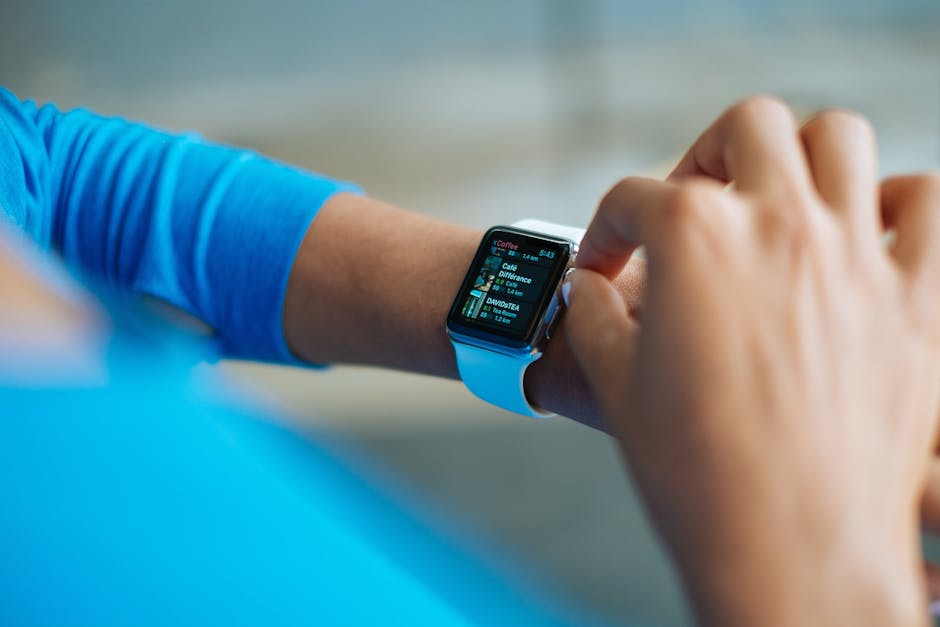
Wearable performance technology has stripped away the ability to hide. When a biometric monitor shows a resting heart rate that is 15 beats higher than the player's baseline, or a recovery score that stays in the "red" for three straight days, the performance staff knows exactly what is happening. It isn’t always about physical overtraining. Often, it’s about the nervous system being fried by external stressors.
These devices have forced a bridge between the physical and the psychological. We aren't just tracking reps anymore; we are tracking the physiological response to the life of an athlete. When the data shows a correlation between a rough performance on the field and a lack of REM sleep caused by pre-game stress, the player is much more likely to engage with sports psychologist access. Suddenly, it’s not therapy—it’s performance optimization.
The "Marketing vs. Science" Problem
I need to call this out right now: there is a lot of snake oil in the wearable space. If a company tells you their watch will "cure your stress," stop listening. A gadget doesn't fix a schedule. It just tells you how badly you’re wrecking yourself. The value isn't in the device itself; it’s in the professional interpretation of the biometric monitoring data. If you’re a collegiate athlete or a pro and you’re tracking HRV (Heart Rate Variability) but not changing your routine based on it, you’re just paying for a fancy piece of jewelry.
Sleep Optimization: The Ultimate Performance Lever
You can talk about "mindset" all day, but if an athlete is dragging through the facility because they haven't slept in a week due to travel demands, that mindset won’t hold up in the fourth quarter. Sleep is the single most effective legal performance-enhancing tool in existence.
In pro locker rooms, sleep hygiene has moved from a "nice-to-have" to a non-negotiable metric. We’ve learned that chronic sleep deprivation looks a lot like cognitive impairment. When you’re flying across three time zones, your internal clock is shattered. ...back to the point. This is where stress management resources become critical. It’s not just about turning off your phone; it’s about managing the endocrine response to travel-related cortisol spikes.
Metric Old School Approach Modern Performance Approach Travel Fatigue "Sleep on the plane, suck it up." Shift work protocols, light therapy, HRV monitoring. Pre-Game Stress "Stop worrying and get focused." Breathwork, cognitive reframing, cortisol monitoring. Recovery "Just sit in the hot tub." Biometric tracking to adjust workload dynamically. Mental Health "Keep it in the locker room." Integrated sports psychology and daily check-ins.Why Athletes Are Opening Up
The "why" is simple: the consequences are too expensive. When an athlete manages their stress properly, they stay on the field. When they ignore it, they get injured, or they get cut. It’s that basic. Athletes are seeing that sports psychologist access isn't just for when they are in crisis; it’s for maintaining the edge.
Here are the real-world factors driving this openness:
The Reality of Travel and Constraints
Let’s talk about the real world. You’re an athlete in a major program. You have a mid-week away game. You get back at 3:00 AM, you have film study at 8:00 AM, and you have a high-stakes exam in the afternoon. How the hell are you supposed to stay mentally "well" in that scenario?
You can’t just "meditate" your way out of a broken schedule. That’s why the modern approach to mental wellness sports is moving away from the "wellness retreat" model and toward "performance integration." It’s about teaching athletes to regulate their nervous system in the five minutes they have between meetings.
We use HRV spikes to identify when a player is approaching a "breaking point." If we see their recovery data tanking due to travel stress, we adjust their lifting volume. We don't demand they do a heavy back squat when their body is screaming that they are exhausted. By pulling back the physical load, we give them the draftcountdown.com mental bandwidth to handle their life requirements. This is what real support looks like—not just posters on the wall, but a staff that actually alters the plan based on the athlete's capacity.
Integrating Stress Management Resources
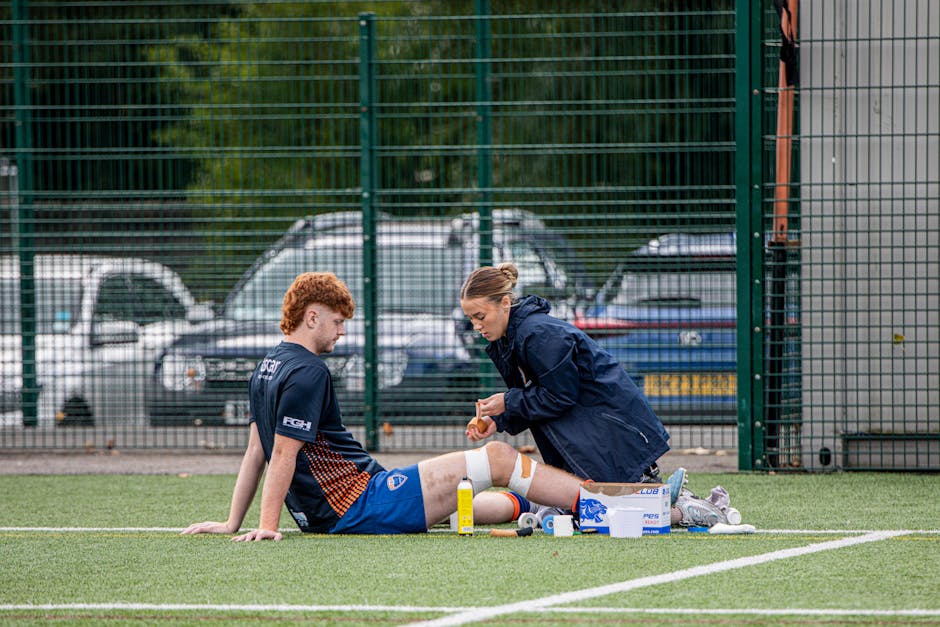
If your program or team says they offer mental health support but don't integrate it into the training cycle, they are just paying lip service to the idea. True integration looks like this:
- The Biometric Audit: Morning checks that assess not just muscle soreness, but cognitive readiness. Proactive Psychology: Sports psychologists who are present during practice, not just in an office far away. They need to see the athlete in their environment. Travel Hygiene: Strict protocols regarding lighting, nutrition timing, and sleep schedules to mitigate the impact of travel.
The marketing folks will tell you that a new app or a "wellness" gadget will solve everything. Ignore them. What solves the problem is a structured environment where an athlete can be honest about their fatigue or their anxiety without fearing for their starting position.
The Competitive Advantage
At the end of the day, everything in sports comes back to performance. If an athlete is mentally healthy, they can process information faster. They can hold their composure when the score is tied in the final minute. They can recover from errors without spiraling.
The athletes who are pushing this movement aren't the ones looking for a pat on the back; they’re the ones looking for a championship ring. They’ve realized that the brain is part of the kinetic chain. If it’s malfunctioning, the whole machine breaks down.
We are finally in an era where we have the tools—wearables, biometric monitoring, and high-level psychology—to treat the athlete as a whole human being. If you’re still operating in a model where you ignore the "mental" side, you aren't just being traditional; you’re being left behind. The data is clear, the results are repeatable, and the era of the "unbreakable, emotionless warrior" is over. Thank god.